How Children Learn to Read: A Parent's Guide to Phonics

Little Lumos Team
Reviewed by Dr. K. Lakshmi Lalithya, Founder & Principal
We share insights, stories, and practical tips for mindful parenting, straight from our vibrant learning community.
Wondering when and how your child will learn to read? Walk the stages from talking to phonics with the interactive reading-journey stepper, try the readiness checklist, and bust the most common myths — the playful, pressure-free way.

"When will my child learn to read?" It's one of the most common — and most anxious — questions parents ask. In a world of flashcards and early-reading apps, it's easy to feel your child is falling behind. But reading is not a race, and the most important early-literacy work doesn't involve a single letter.
Learning to read is a journey that begins at birth, with talking, singing, and being read to. Long before phonics, a child builds spoken language, then learns to hear the sounds inside words, and only then maps those sounds to letters. Rush the order and reading becomes a chore; honour it and reading becomes a joy.
This interactive guide walks you through the whole path. Use the tools on this page to:
- Step through the natural stages of reading, from talker to confident reader
- Check the playful signs of reading readiness at your child's age
- See simple, screen-free ways to build early literacy at home
- Bust the most common myths that make parents worry needlessly
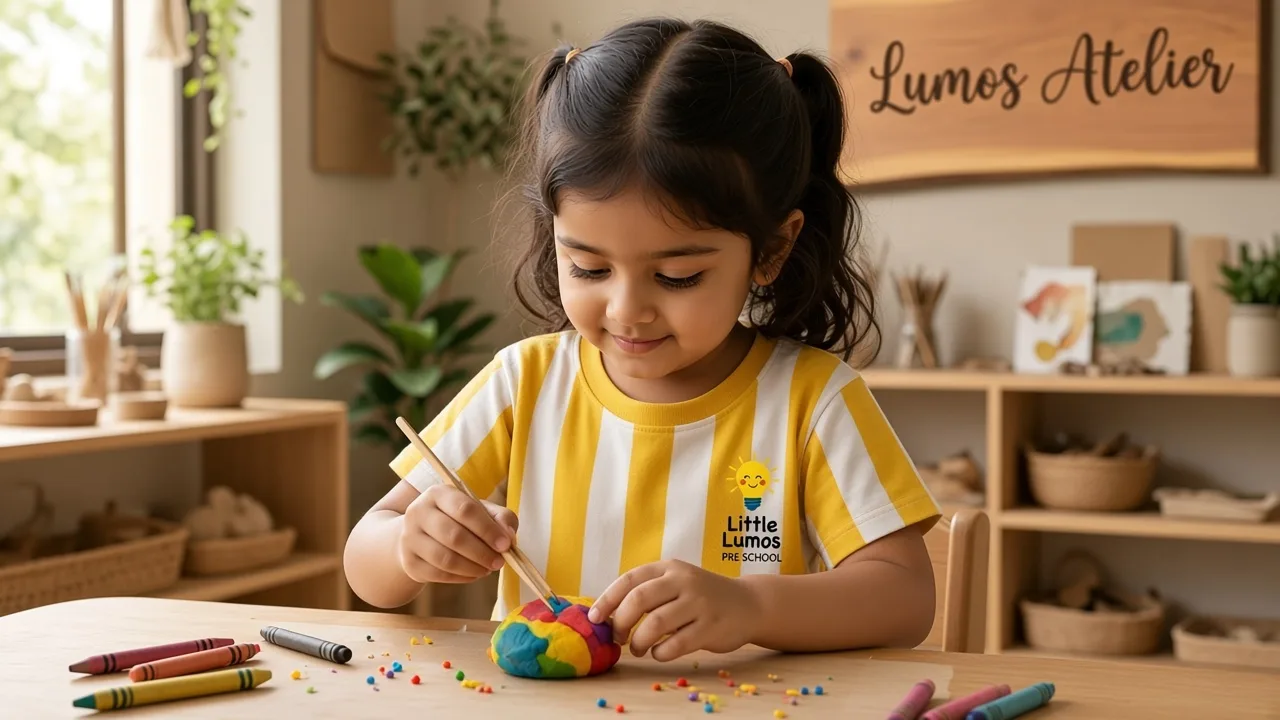
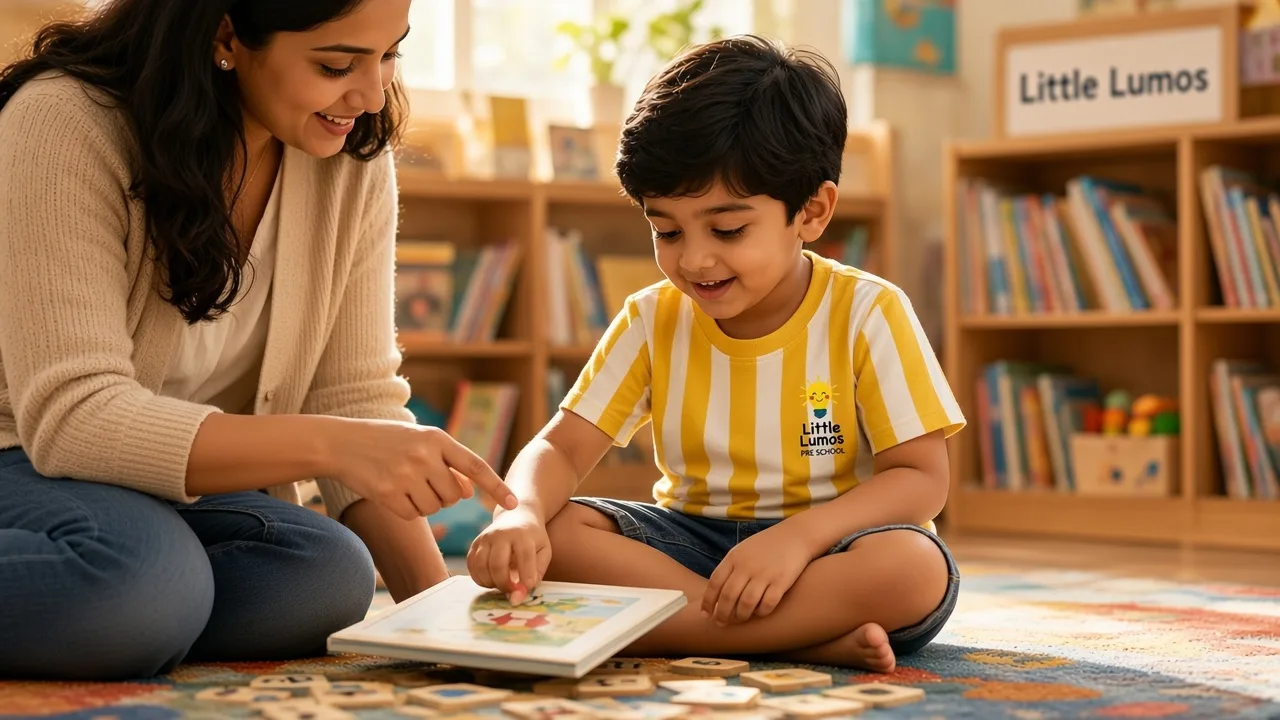
At Little Lumos, early reading grows through stories, songs, play, and our Reggio Emilia inspired atelier — never through pressure or worksheets. By building a deep love of language first, children become not just readers, but readers who genuinely want to read.
Interactive tools
Where is your child in the journey?
The four stages of learning to read, a readiness check, and practical ways to help at home.
Interactive reading journey
The Four Stages of Learning to Read
Tap a stage to see what's happening and what it looks like in real life. Every child moves at their own pace, these are guides, not deadlines.
Reading begins with talking, not letters
Long before phonics, a child builds the spoken language that all reading rests on. The richest 'reading' activity at this age is conversation, songs, and being read to, again and again.
Interactive checklist
Is My Child Ready for Reading?
Answer honestly, no child needs every box ticked, and this is just for your own insight.
Enjoys being read to and asks for favourite books again and again
Joins in with rhymes and notices words that sound alike
Can clap the beats (syllables) in their own name
Recognises a few letters or the sounds some letters make
Holds a book the right way, turns pages, and pretends to read
Can tell you a simple story or recount what happened in their day
Notices print around them, signs, labels, their own name
Let's clear this up
Reading Myths vs the Truth
Everyday wins
Six Ways to Grow a Reader at Home
A School That Grows Readers Who Love Books
At Little Lumos, early literacy is built on stories, conversation, and playful phonics, never desk drills. Come see how reading comes to life in Siddharth Nagar, Kakinada.
At Little Lumos in Kakinada, this is part of everyday practice. Read more about our hands-on early years curriculum, or preschool programs for ages 2 to 6, or book a campus visit.
People Also Ask
Quick answers to the questions parents ask most.
There is a wide normal range. Most children move from spoken language and rhyme awareness (ages 2 to 4) into early phonics and sounding out simple words around ages 4 to 6, with fluent reading developing across the early school years. Reading readiness matters far more than a fixed age, and pushing too early can backfire.